 bali komodo trips Editorial Desk
 – Manta rays are most active during these months.
– Visibility for diving and snorkeling is excellent.
– Daily boat trips are available during the season.
Understanding Manta Ray Sightings in Komodo
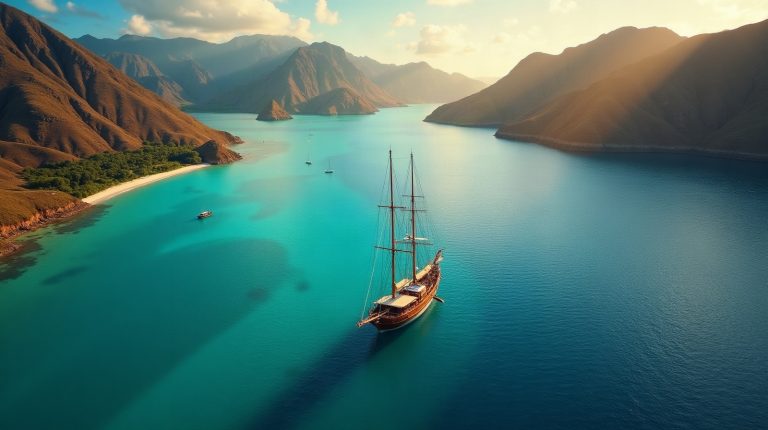
Komodo National Park is renowned for its diverse marine life, including the majestic manta rays. These creatures can be observed year-round, but specific months offer better chances for sightings due to various factors such as water temperature, food availability, and ocean currents.
Best Months for Manta Ray Sightings
While manta rays can be spotted throughout the year, the best months to see them in Komodo are from May to October. Here’s a breakdown by month:
- May: The season begins, and sightings start to increase. Water temperatures are warming up, making it comfortable for both divers and snorkelers.
- June: Manta rays are more frequently spotted as plankton blooms attract them. Visibility is good, and the weather is generally calm.
- July: This month marks peak sightings. Expect to see large groups of manta rays feeding and performing acrobatics. Boat operators have daily trips to popular sites.
- August: Continued peak season. Visibility remains excellent, and the waters are teeming with marine life, enhancing the experience.
- September: Sightings may start to decline slightly, but conditions are still favorable for encounters.
- October: The season begins to wind down, with fewer sightings as manta rays migrate out of the area.
Factors Influencing Manta Ray Sightings
Several factors influence the visibility and frequency of manta ray sightings in Komodo:
- Water Temperature: Manta rays prefer warmer waters, typically between 24°C to 30°C (75°F to 86°F). The best temperatures are usually found during the dry season.
- Plankton Blooms: Manta rays feed on plankton, so areas with high concentrations are more likely to attract them. This is most prevalent from May to October.
- Currents: Strong currents can affect visibility and the presence of manta rays. Local dive sites are chosen based on current conditions for optimal sightings.
Top Dive Sites for Manta Rays in Komodo
When planning your trip to see manta rays, consider these top dive sites in Komodo National Park:
- Manta Point: A prime location known for consistent sightings. Divers and snorkelers often see large groups of manta rays feeding here.
- Makassar Reef: Another hotspot for manta rays, especially during the peak months. The reef is rich in marine biodiversity.
- Padar Island: While primarily known for its scenic views, the surrounding waters are also a good spot for encountering manta rays.
Trip Packages from Bali to Komodo
For those looking to explore Komodo and see manta rays, several trip packages are available. Options range from open trips to private boat charters, with various durations:
- 3-Day Trip: Ideal for those with limited time, this package typically includes visits to the main dive sites and opportunities to see manta rays.
- 5-Day Combo: A more extensive itinerary covering multiple islands, with ample diving and snorkeling opportunities.
- 7-Day Adventure: This package offers the most comprehensive experience, allowing for in-depth exploration of Komodo National Park and its rich marine life.
Costs and Booking Information
The cost of trips can vary significantly based on the type of package, the number of passengers, and the level of service:
- Open Trip: Prices typically range from $100 to $150 per person for a day trip.
- Private Boat: Costs can start at $800 for a day charter, depending on the size of the boat and amenities.
- Multi-Day Packages: Expect to pay anywhere from $500 to $1500 for multi-day trips, including accommodation and meals.
For an in-depth overview of pricing and booking options, check our full pricing guide.
Tips for Manta Ray Sightings
To maximize your chances of seeing manta rays while visiting Komodo, consider the following tips:
- Book in Advance: Given the popularity of manta ray sightings, especially in peak months, early booking is advisable to secure your spot on a boat.
- Choose the Right Time: Early morning or late afternoon are often the best times for sightings due to less boat traffic and active feeding behaviors.
- Respect the Environment: Always follow guidelines provided by your dive operator. Maintaining a respectful distance ensures the safety of the manta rays and yourself.
Legal Considerations
It’s essential to note that manta rays are protected species under Indonesian law. As such, interactions with them must adhere to strict guidelines to ensure their safety and conservation. Engaging with reputable dive operators who prioritize sustainable practices is crucial.
Conclusion
Visiting Komodo for manta ray sightings is a unique experience that offers both adventure and the chance to witness these magnificent creatures up close. By planning your trip between May and October and choosing the right package, you can enhance your chances of encountering manta rays in their natural habitat. Whether you opt for a short trip or a more extended adventure, Komodo National Park promises unforgettable marine experiences.
Planning specifics? See check availability or bali komodo trips.
Planning your bali komodo trip
Embarking on a Bali to Komodo trip is more than just a journey; it’s an adventure into one of the most biodiverse marine ecosystems on the planet. With over 1,000 species of fish and over 260 species of coral, the underwater world here is a diver’s paradise.
Travelers can choose from a variety of trip packages, ranging from open trips to private boat charters. Open trips are a budget-friendly option, typically costing around $150 to $300 per person for a 3-day itinerary, while private charters can range from $1,200 to $2,500 depending on the boat size and amenities. Regardless of your choice, both options provide a unique experience tailored to the beauty of Komodo National Park.
Best practices for diving and snorkeling
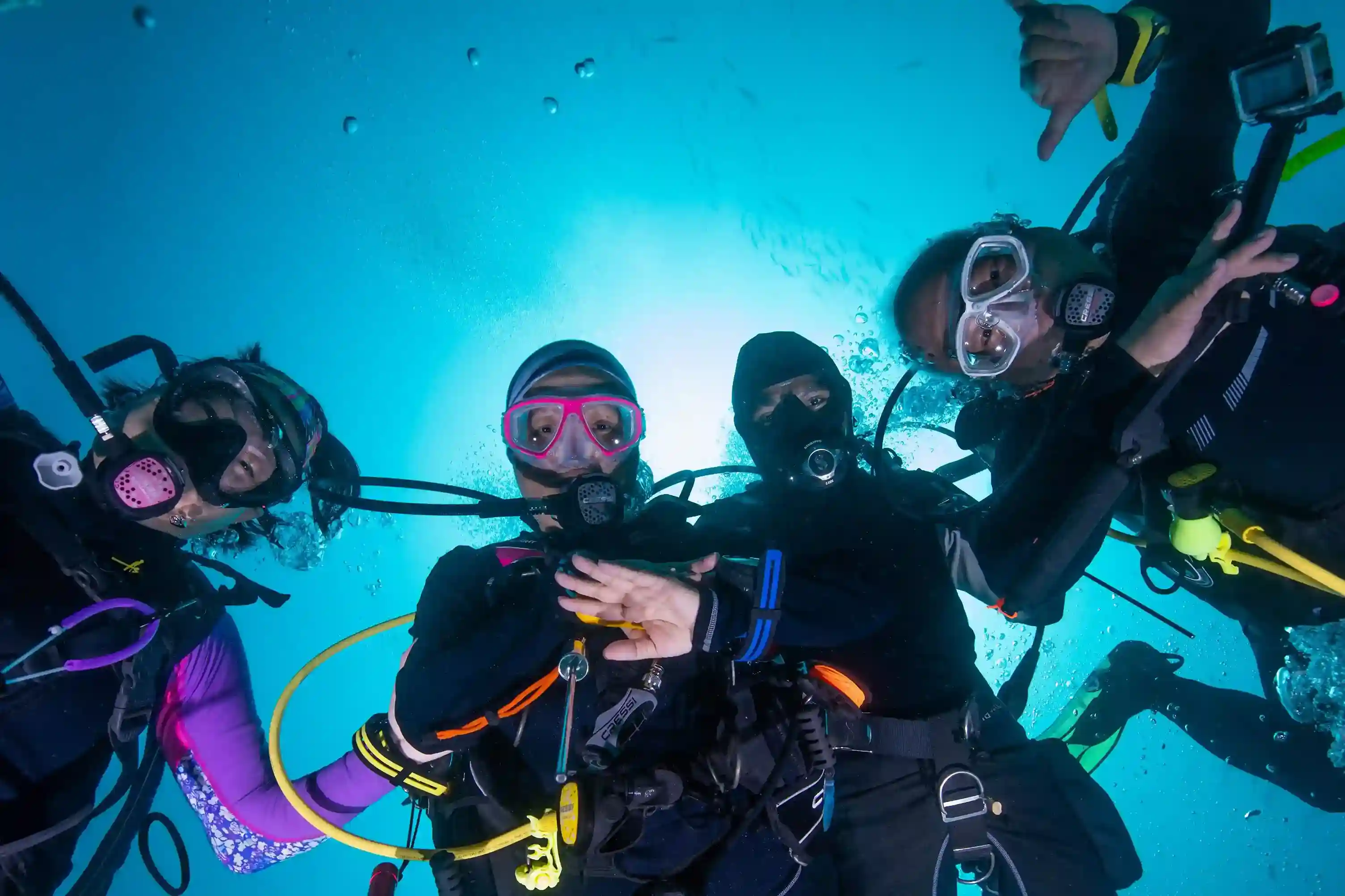
When diving or snorkeling in Komodo, it’s essential to prepare adequately to enhance your experience. Visibility can reach up to 30 meters (98 feet) during peak season, allowing for striking views of the underwater world. Be sure to bring a good-quality wetsuit, as water temperatures can vary between 22°C to 29°C (72°F to 84°F) depending on the month.
For a successful dive, consider the currents that can be strong in certain areas. It’s advisable to dive with a reputable operator who knows the local sites, such as Manta Point and Castle Rock, where the chances of encountering manta rays are significantly higher. Always check the dive conditions and safety protocols before heading out to ensure a safe and enjoyable experience.
Exploring beyond manta rays
While manta rays are a highlight, the marine life in Komodo offers much more to discover. The park is home to unique species, including the endangered hawksbill turtle and the elusive mola mola, or ocean sunfish. Exploring the nearby islands, such as Padar and Rinca, not only provides opportunities for snorkeling but also for hiking and wildlife observation.
Travelers can find diverse ecosystems, from mangroves to coral reefs, all contributing to the rich biodiversity. A well-rounded Bali Komodo trip often includes guided treks across the islands where you can see the famous Komodo dragons and enjoy the stunning landscapes. Make sure to allocate time in your itinerary for these unforgettable adventures, as they complement the aquatic experiences beautifully.