 bali komodo trips Editorial Desk
 - Dry season offers clearer waters and better marine life visibility.
- Peak tourist season runs from July to August; expect higher prices.
- Book flights and accommodations in advance for best rates.
Overview of Komodo National Park
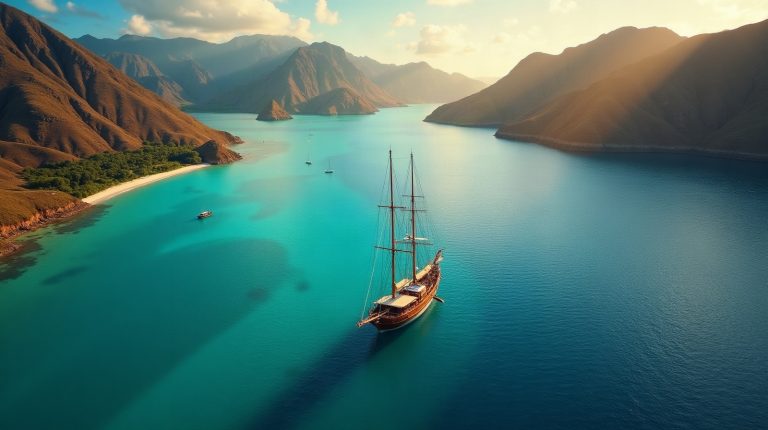
Komodo National Park, located in Indonesia, is renowned for its rich marine biodiversity and unique terrestrial wildlife, including the famous Komodo dragon. The park comprises three major islands: Komodo, Rinca, and Padar, along with numerous smaller islets and marine protected areas. The waters surrounding these islands are home to vibrant coral reefs, diverse fish species, and other marine life, making it a prime destination for snorkeling enthusiasts.
Understanding Seasonal Changes
The climate in Komodo National Park is tropical, characterized by a distinct wet and dry season. Understanding these seasonal changes is crucial for planning your snorkeling trip.
Dry Season (April to December)
The dry season is considered the best time to visit Komodo for snorkeling. During this period, water visibility is significantly improved, ranging from 10 to 30 meters, allowing for excellent underwater exploration. The average temperature hovers around 28°C to 32°C, making it comfortable for snorkeling activities.
Wet Season (January to March)
The wet season experiences heavier rainfall, which can lead to reduced water visibility and unpredictable weather conditions. While snorkeling is still possible, the experience may not be as rewarding as during the dry season. Average temperatures remain similar, but humidity levels rise, which may affect comfort levels for some visitors.
Best Months for Snorkeling
While the dry season spans several months, certain months stand out for optimal snorkeling conditions:
June to September
These months are considered peak snorkeling season. Water temperatures are warmer, averaging around 28°C, and visibility is at its best. Marine life is abundant, and you are likely to encounter a variety of species, including manta rays, turtles, and colorful reef fish. This is also the time when many liveaboard trips are available, enhancing your snorkeling experience.
April and October to December
April marks the beginning of the dry season, and while visibility may not be as high as in the peak months, it offers a good balance of fewer tourists and decent snorkeling conditions. October to December can also be favorable, especially if you prefer to avoid the crowds and higher costs associated with peak season.
Travel Costs and Considerations
Understanding the costs involved in visiting Komodo Island for snorkeling is essential for budget planning.
Flight and Accommodation Costs
Flights from Bali to Labuan Bajo, the gateway to Komodo National Park, typically range from $50 to $150, depending on the season and how far in advance you book. Accommodations in Labuan Bajo can vary widely:
- Budget hotels: $20 to $50 per night
- Mid-range hotels: $50 to $100 per night
- Luxury resorts: $100 and above per night
Snorkeling Tours and Packages
Snorkeling tours can be booked directly or through travel agencies. Prices for organized tours range from $30 to $150 per person, depending on the duration, inclusions, and whether it’s a private or open trip. Liveaboard options are available for those looking for a more immersive experience, with prices starting around $300 for a multi-day trip.
Choosing the Right Trip Package
When planning your trip, consider the various packages available that combine Bali and Komodo. Options include:
- Open-trip tours, which are more budget-friendly and allow you to meet other travelers.
- Private boat charters, offering a tailored experience for groups or families.
- 3-7 day combo packages that include flights, accommodation, and snorkeling tours.
Booking Tips
To secure the best rates and availability, consider the following tips:
- Book flights and accommodations at least three months in advance, especially for travel during peak season.
- Compare different tour operators to find the best snorkeling packages.
- Check for last-minute deals if you’re flexible with your travel dates.
Legal and Environmental Considerations
When visiting Komodo National Park, it’s essential to respect local regulations and environmental guidelines. The park is a protected area, and visitors are expected to adhere to specific rules to minimize their impact on the fragile ecosystem. This includes following designated snorkeling routes and avoiding contact with marine life. The legal status of the park ensures that conservation efforts are prioritized, allowing visitors to enjoy its natural beauty responsibly.
Conclusion
The best time to visit Komodo Island for snorkeling is during the dry season, particularly from June to September. With the right planning, you can enjoy clear waters, diverse marine life, and a variety of trip options tailored to your preferences. For detailed information on booking your Bali-Komodo trip, visit our Bali Komodo Trips page.
By understanding seasonal patterns, costs, and available packages, you can ensure a memorable snorkeling experience in one of the world’s most remarkable marine environments.
Planning specifics? See full pricing guide or see current rates.
Choosing the right bali komodo trips package
When planning your adventure from Bali to Komodo, selecting the right trip package can significantly enhance your experience. Various options cater to diverse preferences, from budget backpackers to luxury travelers. A typical Bali to Komodo trip package may include flights from Bali to Labuan Bajo, accommodation, and guided tours. Prices can range from $300 for basic packages to over $1,000 for luxurious experiences, depending on the inclusions and duration.
For those looking for flexibility, consider open-trip options, which allow you to share a boat with other travelers. This can reduce costs significantly, with prices as low as $150 for a 3-day trip. Private boat charters offer a more personalized experience, ideal for families or groups, though they typically start around $600 for a short excursion. Understanding your travel style will help you choose a package that aligns with your budget and expectations.
Exploring marine life diversity
One of the most captivating aspects of snorkeling in Komodo is the astonishing variety of marine life. The waters host over 1,000 species of fish, 260 types of coral, and numerous species of sea turtles and manta rays. Notably, Komodo National Park is recognized as one of the seven underwater wonders of the world, making it a haven for marine biodiversity enthusiasts. Each snorkeling spot offers a unique experience, from the vibrant coral gardens of Pink Beach to the thrilling encounters with mantas at Manta Point.
During the peak snorkeling months, you can expect to see schools of fish in dazzling colors, as well as larger marine creatures like reef sharks and the elusive dugong. The best snorkeling sites are usually crowded during peak season, but the sheer abundance of marine life compensates for the crowds. It’s advisable to plan your snorkeling itineraries early in the day to avoid the rush and maximize your underwater encounters.
Best practices for an eco-friendly snorkeling experience
As you explore the underwater beauty of Komodo, it’s essential to prioritize eco-friendly practices to preserve this fragile ecosystem. Simple actions like avoiding sunscreen with harmful chemicals, not touching or standing on coral, and keeping a safe distance from marine life can significantly impact the environment. Opt for guided snorkeling tours that emphasize responsible tourism and follow the principles of ‘leave no trace’ to minimize your footprint.
Furthermore, participating in local conservation initiatives can enhance your travel experience. Organizations often welcome travelers to join efforts in coral reef restoration or beach cleanups, providing a meaningful way to give back while enjoying the stunning surroundings. By embracing sustainable practices, you contribute to the longevity of Komodo’s rich marine heritage, ensuring future generations can also revel in its beauty.